Loft Conversion 10-Year Rule: Practical Guide For Homeowners
If you have an older loft conversion with no planning paperwork, you may have heard of the loft conversion 10-year rule. However, a loft conversion doesn’t automatically become legal after 10 years. The rule relates to planning enforcement, not whether the work meets every legal requirement.
Planning permission and Building Regulations are separate, so an older conversion can still have issues with safety and other Building Regulations requirements. This guide explains how the 10-year rule works, what changed in 2024 and what to do if your loft conversion has no paperwork.
What’s the Difference Between Planning Permission and Building Regulations?
Planning permission and Building Regulations cover different aspects of a loft conversion.
Planning permission is essentially a land use test. Your local planning authority considers whether the conversion changes the appearance of your home, affects neighbouring properties or falls within the planning rules for your area. In other words, it focuses on the impact of the development rather than the safety of the structure itself.
Building Regulations, on the other hand, are concerned with safety and performance. They cover areas such as structural integrity, fire safety, insulation and ventilation.
Building control focuses instead on the technical aspects of the conversion. This includes the load-bearing capacity of the floor joists, the safety of escape routes in a fire and the space’s thermal performance.
This distinction is important when considering the 10-year rule. A loft conversion can be lawful in planning terms while still failing to meet Building Regulations, and the reverse can also be true. Therefore, before relying on the 10-year rule, check your planning position and Building Regulations compliance separately.

How Does the 10-Year Rule Work for Loft Conversions?
The loft conversion 10-year rule relates to planning enforcement. If an unauthorised loft conversion has existed continuously for the relevant period without enforcement action, it may become immune from planning enforcement.
The rules changed in England on 25 April 2024. Before this date, a loft conversion built without permission generally became immune from enforcement after 4 years. From 25 April 2024, this was extended to 10 years, bringing loft conversions in line with other types of planning breach.
This change is not retrospective, so the date your loft conversion was substantially completed determines which rule applies:
- If the loft conversion was substantially completed before 25 April 2024, the old 4-year rule still applies to it, and it may already be immune from enforcement.
- If it was substantially completed on or after 25 April 2024, the new 10-year rule applies, and it won’t become immune until a full 10 years have passed.
Since most undocumented loft conversions were built well before this change, many older conversions may already qualify under the shorter 4-year period rather than needing to wait for 10 years. It’s worth establishing your completion date carefully before assuming which timeframe applies.
When Can the 10-Year Rule Protect an Unauthorised Loft Conversion?
For the 10-year rule to offer protection, several conditions need to be met:
- The development must be continuous and unchanged. The loft conversion must have existed in its current form for the full 10-year period. If it was altered, extended or rebuilt during that time, the relevant period may start again from the date of the change.
- There must be no deliberate concealment. If the works were deliberately hidden from the local authority, for example through disguising the development or providing false information, the usual time limits may not apply.
- There must have been no planning enforcement action. A formal enforcement notice issued during the relevant period can prevent the works from becoming immune from enforcement.
Given how fact-specific these conditions are, establish the completion date of your loft conversion as accurately as possible before relying on the 10-year rule.
What Evidence Do You Need to Rely on the 10-Year Rule?
The burden of proof generally falls on the homeowner, so you will need evidence showing that the loft conversion has existed continuously for the required period. Useful evidence can include:
- Dated photographs showing the completed loft conversion at different points over the years.
- Utility bills or council tax records covering the relevant period.
- Written statements from neighbours or previous occupiers who can confirm when the conversion was completed and used.
- Previous sales particulars or insurance documents that reference the loft conversion and have clear dates.
The more consistent and independently dated your evidence is, the stronger your case when applying for a Lawful Development Certificate.
When Will the 10-Year Rule Not Protect a Loft Conversion?
The 10-year rule does not apply in every situation. For example:
- The property is on designated land. Different planning rules can apply in areas such as conservation areas and other protected locations.
- There is a breach of a planning condition. A breach of a retained planning condition is treated differently and is not automatically resolved by the passage of time.
- The works were deliberately concealed. Deliberate concealment can prevent the usual time limits from applying.
- There are Building Regulations issues. Planning immunity does not resolve Building Regulations breaches. Problems such as an unsafe staircase, inadequate fire protection or insufficient structural support remain separate issues.
Do You Need a Lawful Development Certificate After 10 Years?
If you believe your loft conversion now qualifies for protection under the 10 year rule, the next step is to apply for a Lawful Development Certificate (LDC).
This document has a clear purpose. It gives you formal confirmation from your local planning authority that the works are lawful, removing any doubt created by timing arguments alone.
Rather than relying on a stack of evidence that only you have seen, an LDC becomes a legal document issued by the council that anyone, including a future buyer, can rely on.
Where the works were completed without permission and enough time has passed, request a Certificate of Lawfulness of Existing Use or Development (CLEUD) specifically, since this is the correct route for regularising completed unauthorised development.
An LDC is essential groundwork for future property transactions. Without one, a buyer’s solicitor may flag the lack of planning history as a risk, which can delay or derail a sale even years after the works were finished.
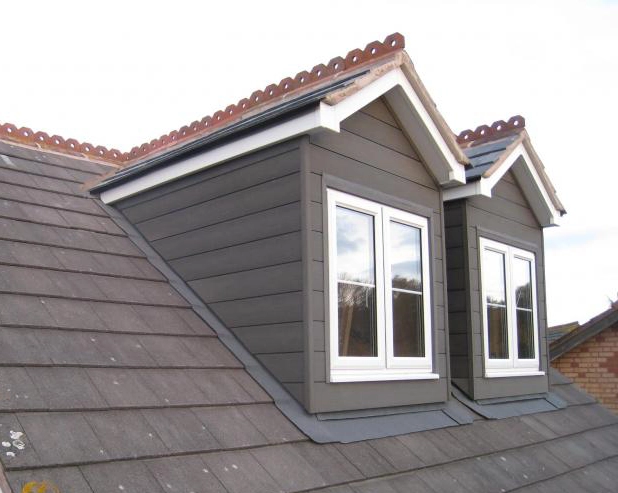
What Development Criteria Apply to Permitted Development?
Not every loft conversion needs a planning application. Many can be carried out under permitted development rights, provided the work meets certain conditions and limits.
Before relying on the 10-year rule, check whether the conversion could have been covered by permitted development in the first place. The main points to consider are:
- The size of the conversion: Terraced houses can generally add up to 40 cubic metres of roof space, while detached and semi-detached houses can add up to 50 cubic metres.
- Changes to the roof: The conversion must meet restrictions on extending or altering the existing roof slope and roofline.
- Dormer position: Dormer walls generally need to be set back at least 200mm from the original eaves.
- Previous extensions: Any earlier roof additions may count towards the permitted development volume limit, reducing the space available for a loft conversion.
- The property’s location: Permitted development rights can be more restricted on designated land, including conservation areas, National Parks and Areas of Outstanding Natural Beauty.
- Planning restrictions: An Article 4 direction or a planning condition may have removed permitted development rights from the property, meaning planning permission was required.
If you’re unsure whether these restrictions apply to your property, check with your local planning authority before relying on permitted development or the 10-year rule.
Building Regulations for Loft Conversions
Planning permission is not the only approval a loft conversion may need. Building Regulations approval is required to show that the work meets the relevant standards, even where the conversion falls under permitted development.
The requirements will depend on the design and the existing property, but key considerations include:
- Fire safety: A loft conversion needs appropriate fire protection. This can include fire doors along the escape route and fire-resistant construction between the loft and the rest of the house.
- Escape windows: For some single-storey loft conversions, an escape window can form part of the means of escape if it meets the required size, opening and positioning requirements.
- Protected stairways: Where a conversion creates a third storey, a protected stairway will usually be required to provide a safer escape route in a fire.
- Smoke alarms: Interlinked smoke alarms are generally required on every storey of the house, rather than just in the loft.
- Staircases: A loft used as living space generally needs a permanent staircase rather than a loft ladder. The staircase must meet requirements for headroom, rise and going.
- Structural support: Changes to the roof or floor may require a structural engineer to confirm that the building can safely support the additional loads.
- Windows and guarding: Low-level windows may need guarding where there is a risk of falling.
- Insulation and ventilation: The conversion must meet current requirements for thermal performance and ventilation. Sound insulation may also be relevant between the loft and rooms below.
These requirements apply separately from planning permission. Even if a loft conversion falls under permitted development or is no longer subject to planning enforcement under the 10-year rule, it still needs to meet the relevant Building Regulations.

Application Process And How To Ensure Compliance
Whether a loft conversion depends on the property, its location, and the scale of the works, some schemes may require planning permission while others may not.
Planning applications can usually be made online through your local authority or local council, and it is worth budgeting time for this, since more complex projects can take up to 16 weeks to determine.
If the works were already completed under permitted development or benefit from the 10 year rule, submit a Lawful Development Certificate application instead of a fresh planning application, since this is the appropriate route for confirming existing lawful status.
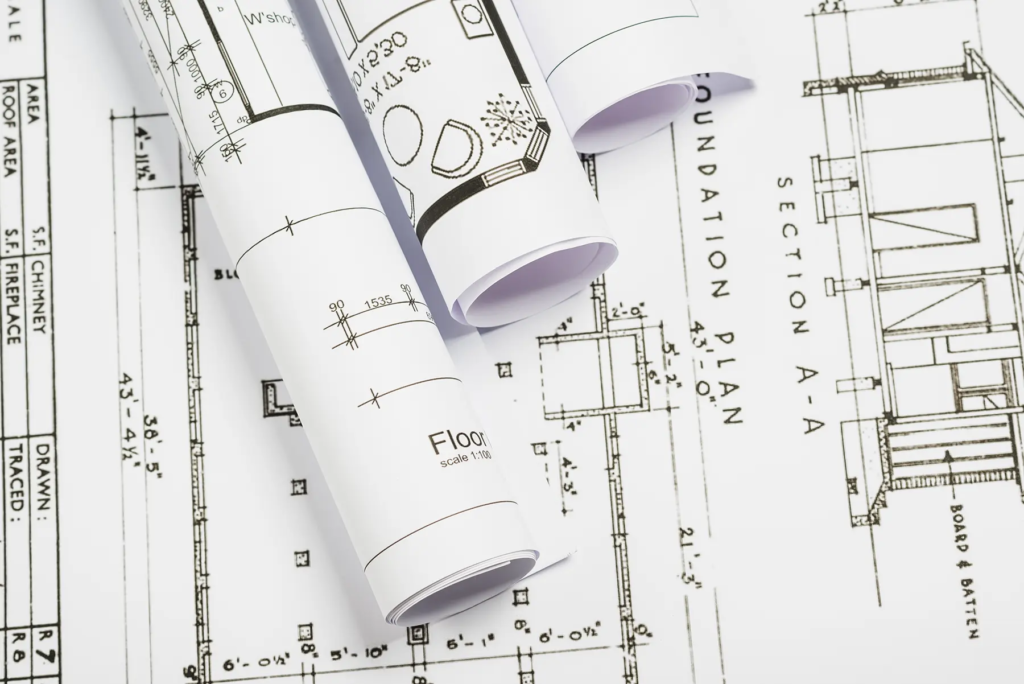
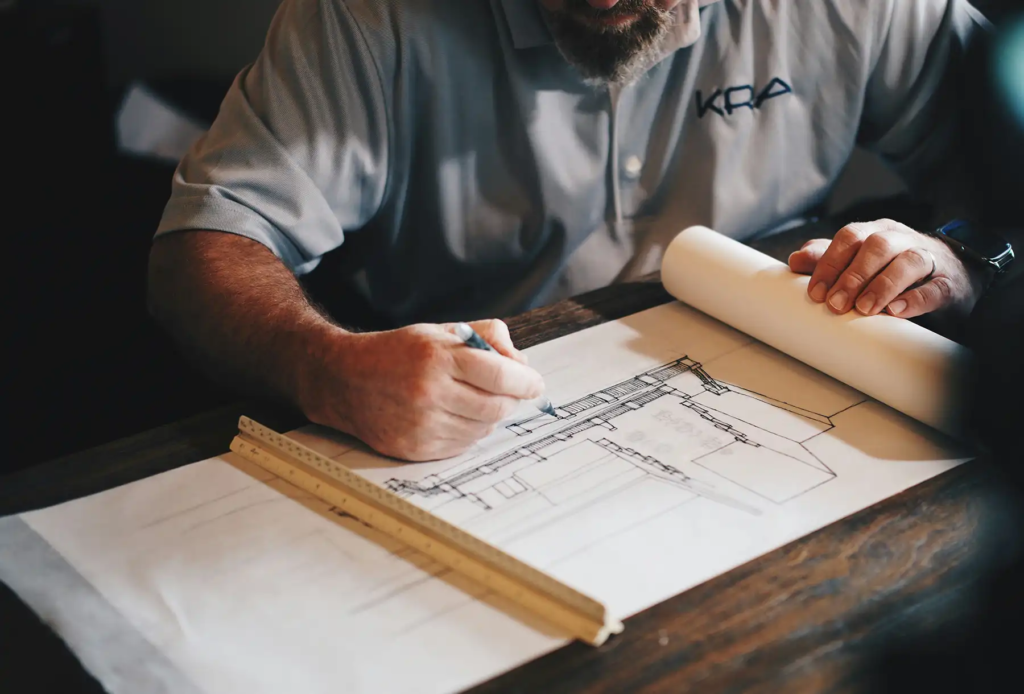
Building control approval and regulation approval should be sought before any construction begins, often supported by detailed architectural drawings, whether the loft conversion is new or being brought up to standard retrospectively.
What Are the Risks When Selling a Property With a Loft Conversion?
If you are planning to sell a property with an older or undocumented loft conversion, it is worth sorting out the paperwork before putting it on the market. Buyers and their solicitors will want to know whether the conversion has the necessary planning and Building Regulations approvals.
If your conversion relies on the 10-year rule, a Lawful Development Certificate can provide formal confirmation of its planning status. You should also gather any Building Regulations paperwork, particularly a completion certificate if one was issued.
Without the relevant documents, questions may arise during conveyancing and delay the sale. Mortgage lenders and insurers may also ask for evidence that the conversion meets the necessary requirements.
For this reason, it is better to address any missing paperwork or Building Regulations issues before marketing the property. If a survey identifies problems with the conversion, dealing with them early can help prevent delays and give potential buyers greater confidence in the property.

Get Expert Help With Your Loft Conversion
Planning a new loft conversion or looking to make further changes to your home? Lilly Lewarne Architects can help you understand what’s possible and guide your project through the design and planning process.
From developing the initial design to preparing drawings and planning applications, our team can help you make the most of your available space while considering the planning requirements that apply to your property.
Whether you’re considering a new loft conversion, extending an existing one or exploring a wider renovation, get in touch with Lilly Lewarne Architects for a bespoke proposal and advice on the next steps.
FAQs
Does the 10 year rule make my loft conversion legal?
Not entirely. The 10 year rule for loft conversion can protect the works from planning enforcement once ten years have passed without a break in use, but it does not itself make the works fully legal or safe, and it has no effect on building regulations, which can still be enforced regardless of how much time has passed.
What evidence do I need to prove my loft conversion has been there for 10 years?
Dated photographs, utility bills, council tax records, neighbour statements and any sales or insurance documents referencing the loft conversion project can all help establish a continuous timeline.
Do I need a Lawful Development Certificate if permitted development rights covered my loft conversion?
It is not always required, but it removes any future doubt. Without one, you are relying on your own interpretation of the rules rather than formal confirmation from the council, and the certificate provides legal protection and peace of mind for future sales because it is formal confirmation from the council.
Does the 10 year rule apply in Wales?
No. In Wales, the four year rule for unauthorised development can still apply, so homeowners there should check the position separately rather than assuming the same ten year timeframe applies.
Can a local authority make me remove a loft conversion after 10 years?
Once a loft conversion has become immune from planning enforcement because the relevant enforcement period has expired, the local planning authority generally cannot require its removal through planning enforcement. However, Building Regulations are separate: while statutory enforcement periods for Building Regulations also expire, unapproved work still creates major conveyancing delays during a sale, and severe structural or fire safety risks can still be subject to court intervention.
What is the minimum height needed for a loft conversion?
There is no statutory minimum ceiling height for a habitable loft room in England. The often-quoted 2.2m figure is a practical guideline, not a Building Regulations requirement. However, loft conversion regulations do set minimum headroom requirements for loft conversion staircases.