Planning permission can cost thousands of pounds and take months to obtain, often delaying essential home improvements. The good news is that in many cases, rules called permitted development rights make it possible to carry out building work without needing formal planning permission from the local planning authority.
These government-granted permissions make it possible to complete common renovation projects without submitting a full planning application to the local planning authority. For homeowners looking to extend their house, convert unused roof space, or add outbuildings, understanding permitted development can save both time and money, getting work underway quickly while ensuring compliance with planning legislation.
This guide explains how permitted development rights work, what projects are given the green light, and when you may still need planning permission.
What Are Permitted Development Rights?
Permitted development rights are automatic planning permissions granted through national legislation rather than individual council decisions. Permitted development rights derive from a general planning permission granted by the UK Government.
They are primarily set out in the General Permitted Development Order, part of the Town and Country Planning (General Permitted Development) (England) Order 2015. The legislation defines specific types of development that can take place without submitting a full plans, provided the project strictly follows the permitted development rules and limitations.
Instead of navigating the full planning process, qualifying projects can move forward once homeowners confirm that the proposed building work meets the relevant conditions.
The system operates alongside the wider planning framework established by the Town and Country Planning Act. While permitted development allows certain changes automatically, more substantial development still requires planning permission.
These development rights were introduced to reduce administrative pressure on local authorities while allowing sensible residential improvements that do not significantly affect neighbours or the surrounding area.
For homeowners, the benefit is clear. Rather than preparing detailed planning documents and waiting weeks for a decision, many permitted development projects can begin much sooner once compliance has been confirmed. In the nest section we find out what development rights your property type may have.

Types of Property and Their Development Rights
Permitted development rights vary depending on the type of house and its location. Knowing these differences is important before starting any project.
Houses vs Flats
A detached house generally has the widest range of householder permitted development rights. These often include rear extensions, loft conversion projects, and the construction of garden buildings within defined limits.
A semi detached house benefits from similar rights, although boundary considerations may apply because neighbouring homes are attached, good relationships with neighbours are essential when making alterations that affect boundaries.
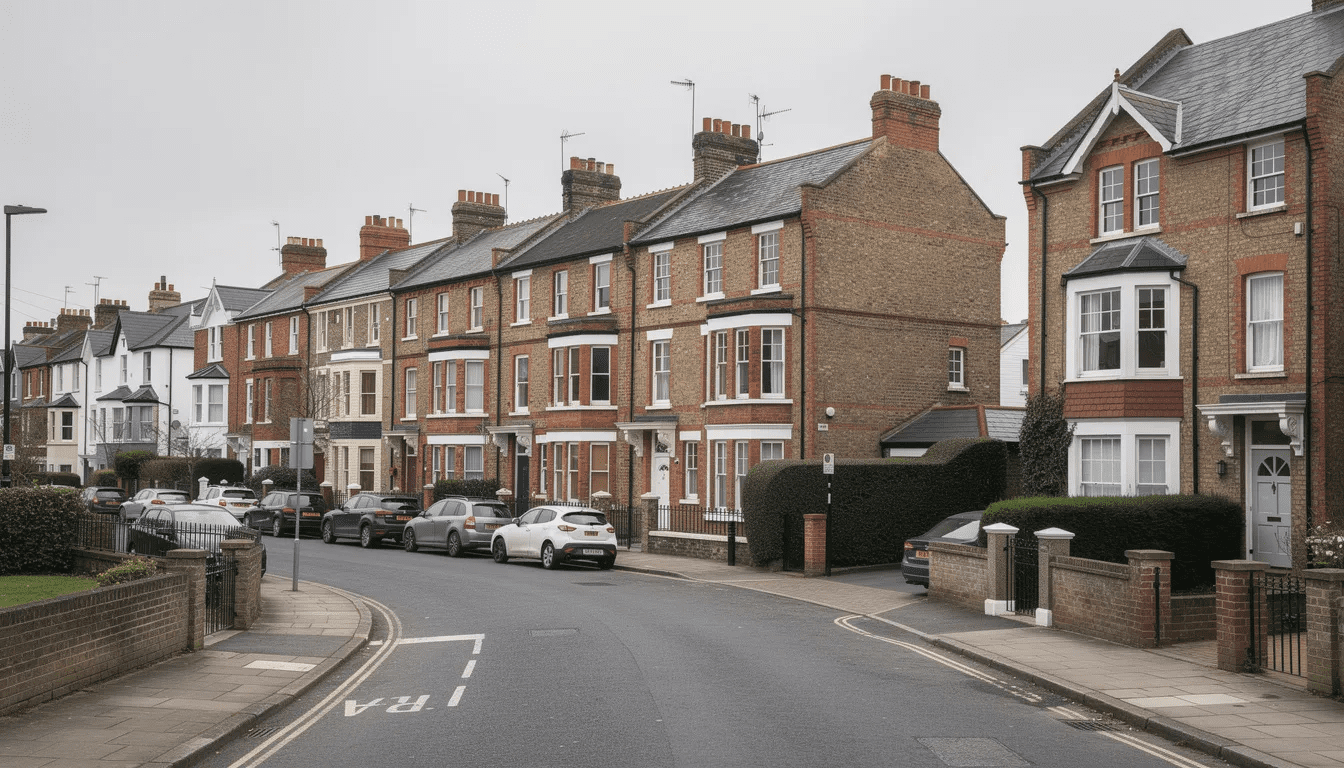
Terraced houses receive many of the same rights but typically have tighter restrictions on side extension development due to narrower plots and neighbours being in close proximity.
Permitted development rights typically apply to houses only and not to flats or maisonettes, which generally require full planning permission. As you may expect flats and maisonettes usually have very limited permitted development rights. Most householder permitted development rules apply only to single dwelling houses, meaning flat owners will normally need to apply for planning permission for structural alterations or extensions.
Listed Buildings and Designated Areas
Listed buildings require listed building consent for almost all alterations, regardless of whether the work might normally fall under permitted development. This additional protection safeguards the building’s historic and architectural significance.
Homes located in conservation areas, national parks areas, or areas of outstanding natural beauty may also face additional planning restrictions. In these designated areas, certain changes that would normally fall under permitted development may require planning permission.
Planning Conditions and Article 4 Directions
Some developments have conditions attached to the original planning permission that remove permitted development rights. These restrictions are often used on newer housing estates where uncontrolled future changes could affect the layout or design of the original development.
Local authorities can also introduce Article 4 directions that remove certain permitted development rights in specific areas. These are commonly used in historic streets or conservation areas where extra planning control is needed.
Before starting any project, it is worth checking with the local authority whether these restrictions apply.

Common Permitted Development Projects
Many popular home improvement projects fall within permitted development rules when they meet certain limitations relating to size, height, and location.
Single Storey Rear Extensions
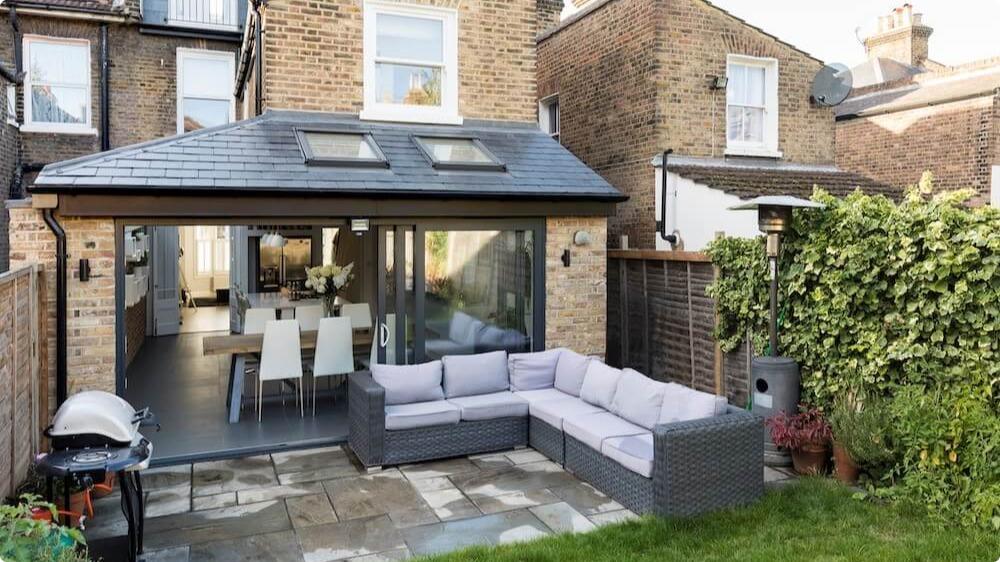
Single storey rear extensions are one of the most common permitted development projects.
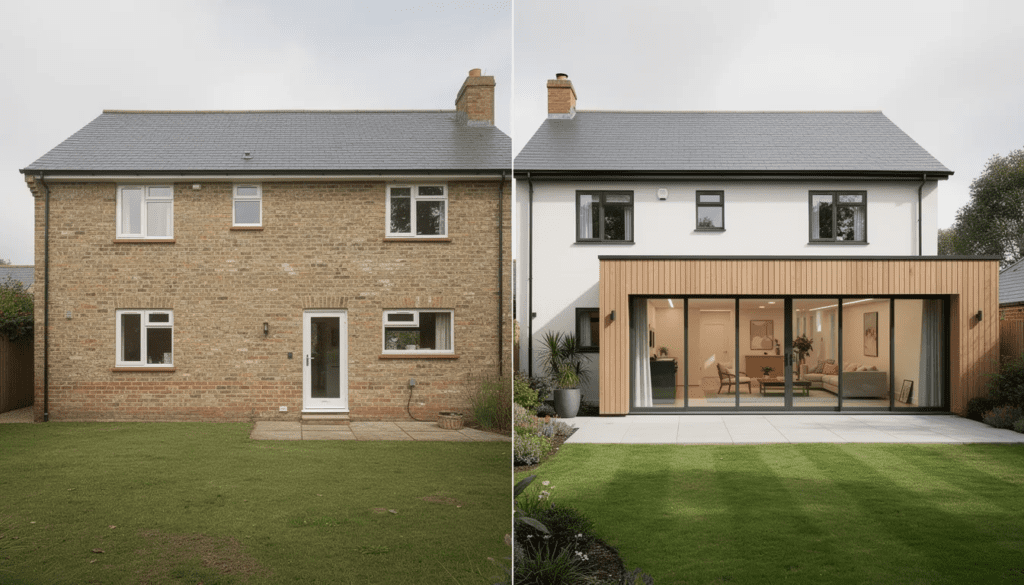
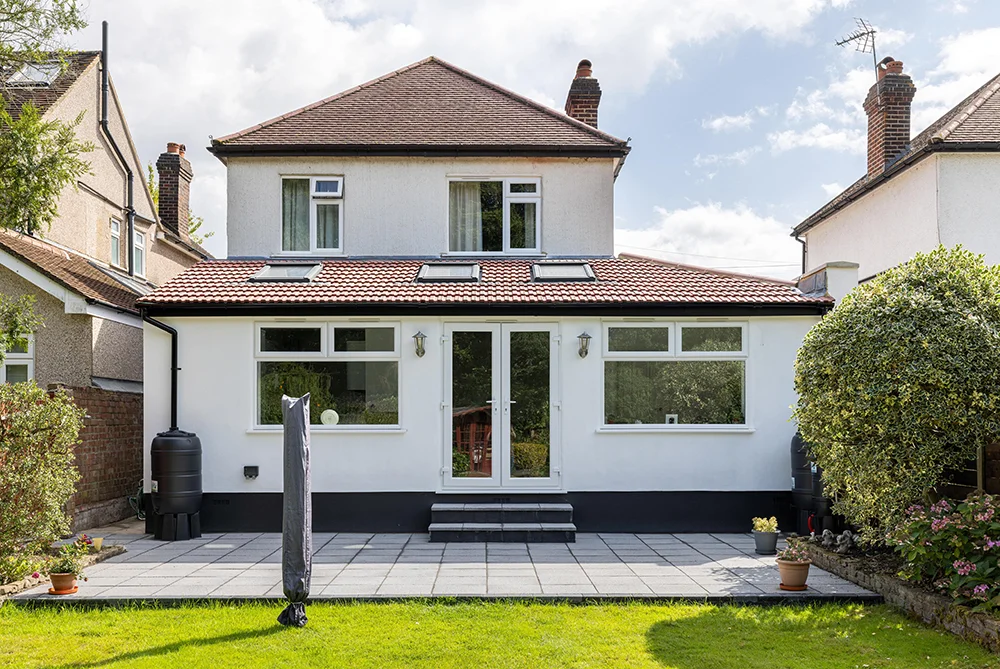
Detached houses can extend up to 6 metres from the rear elevation of the original house. Semi detached houses and terraced homes can extend up to 4 metres.
The extension must not exceed a maximum height of 4 metres, with an eaves height typically limited to 3 metres. It must also remain within the side elevation of the existing house.
Another important limitation is that the extension, together with other buildings within the property boundary, must not cover more than 50% of the original garden area.
Where the building is positioned close to the property boundary and exceeds 3 metres in height, a minimum setback may be required to reduce potential impacts on neighbouring houses.
Materials should usually match the existing house to ensure the external appearance remains consistent.
Two Storey Extensions
Two storey extensions are permitted in certain circumstances but operate under slightly stricter rules.
These extensions can project a maximum of 3 metres from the rear elevation of the original house and must remain lower than the ridge height of the existing roof.
Because of their greater visual impact, many two storey extensions require prior approval from the local planning authority. This assessment considers neighbour amenity, design quality, and transport access.
The prior approval process normally takes up to 42 days and will usually involve notifying neighbouring households before a decision is issued.
Loft Conversion and Roof Space Development
Converting roof space into usable rooms is another popular project.
Permitted development allows additional roof volume of:
- 40 cubic metres for terraced houses
- 50 cubic metres for detached and semi detached houses
The roof extension must not project beyond the existing roof slope facing the highway.
Side-facing windows must normally use obscured glazing below 1.7 metres to protect neighbour privacy.
The development must also remain below the highest part of the existing roof and should not significantly alter the character of the building.
Outbuildings and Garden Structures
Permitted development rules also allow various garden buildings such as sheds, garages, studios, and workshops.
These structures must remain incidental to the residential use of the house and cannot function as separate dwellings.
Height limits include:
- 4 metres maximum height for dual pitched roofs
- 3 metres for other roof types
Any building located within 2 metres of a property boundary must remain single storey.
The total area covered by outbuildings must not exceed 50% of the land surrounding the original house, including any existing structures.
When Planning Permission Is Still Required
Planning permission is still required in several circumstances.
A planning application is normally needed when:
- development exceeds permitted development limits
- work affects the front elevation facing a highway
- changes involve flats or commercial properties
- rights have been removed through conditions attached to earlier planning permission
- the proposal involves certain changes of use not covered by the development order
Small commercial uses or home offices may also require planning permission depending on the level of activity and impact on neighbours.
Lawful Development Certificate
Although not mandatory, many homeowners apply for a lawful development certificate before starting work.
This document confirms that a proposal meets permitted development rules and can proceed without planning permission.
A certificate can be applied for before work begins or after development has been completed.
Applications normally cost £234 in England and typically take around 8–10 weeks to process.
Obtaining a lawful development certificate provides legal certainty and can be helpful when selling a house or applying for a mortgage.
Key Considerations Before Work Begins
Confirming Your Rights
Always confirm permitted development rights with the local planning authority before building work begins. Assumptions about development rules can easily lead to mistakes, particularly where planning conditions or designated areas apply. From our experience working with homeowners across Cornwall, confirming permitted development status early in the planning process can prevent delays and help ensure projects remain compliant with planning legislation.
Building Regulations
Building regulations approval should also be considered separately from planning permission, as structural safety, energy efficiency, and fire protection must still be addressed.
Neighbour Consultation
Discussing proposals with neighbours early in the process can also help avoid misunderstandings or disputes.
Professional Advice
Keeping photographs and measurements of the existing house before development begins can be useful if questions arise later about permitted limits.
Where a project is close to thresholds, professional advice from local architects or planning consultants can help ensure the design remains compliant with the legislation.
Final Thoughts
Permitted development rights allow homeowners to complete many common home improvement projects without navigating the full planning permission process. By understanding the rules and confirming any local restrictions, it is possible to extend a house, convert roof space, or add outbuildings while remaining compliant with planning legislation.
Checking development rights early, confirming restrictions with the local authority, and seeking professional advice when needed can help ensure building work proceeds smoothly from design to completion. When used correctly, permitted development offers a practical way to improve living space and increase the value of a home without the delays often associated with traditional planning applications. Check out our other blogs for more design and architectural insights, planning advice, and inspiration for your next home project.